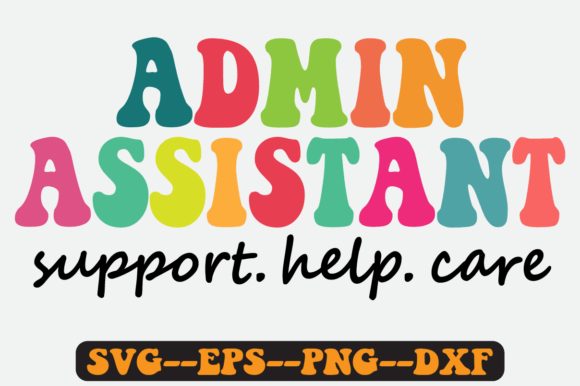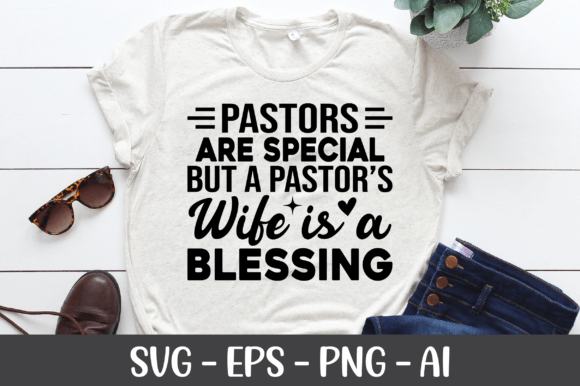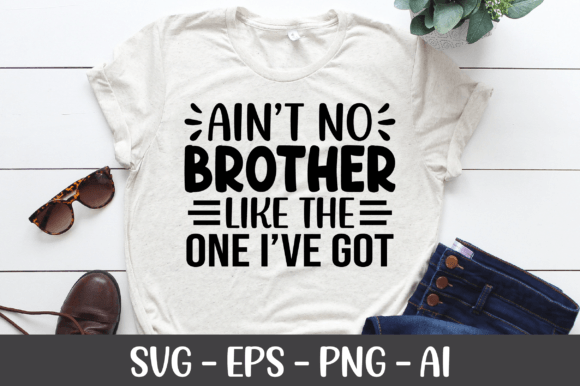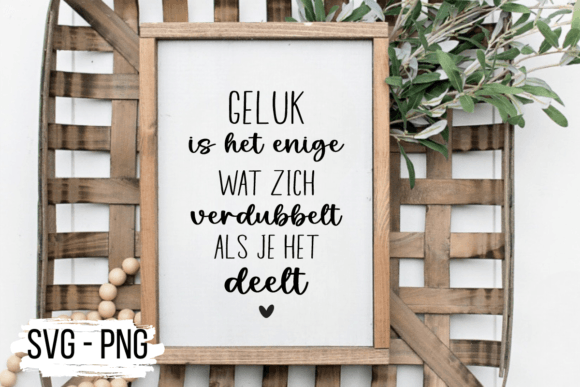
Did You Know There's Two Places You Can Use for Graphics and Crafts
As a graphic designer with years of experience working on branding, packaging, and digital assets, I’ve reviewed countless design resources. Recently, I came across Did You Know There’s Two Places You Can, and I wanted to explore how it could fit into real-world client projects. This asset, while seemingly simple, has potential in several creative contexts—especially within the crafts and graphics space.
A First Impression: Style and Mood
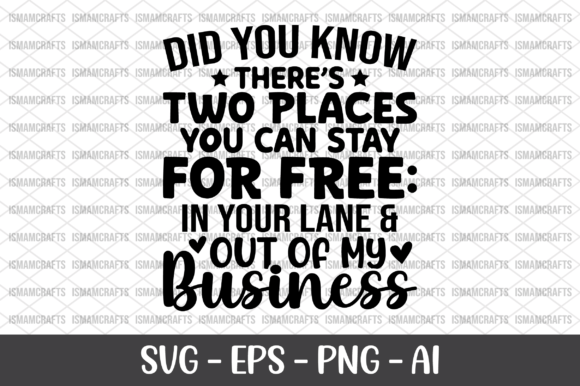
At first glance, Did You Know There’s Two Places You Can feels like a versatile illustration that leans into a friendly, approachable aesthetic. It carries a subtle whimsy that might appeal to handmade brands or small businesses looking to inject personality into their visual identity. The colors are muted but not too subdued, which allows it to blend well with both modern and traditional design styles.
The composition suggests a clean, minimal layout that could work as an accent element in a larger design. However, its charm lies in the details—the tiny icons or decorative flourishes that add character without overwhelming the viewer. This makes it ideal for use in environments where visual warmth is key, such as social media posts or product packaging for craft-related businesses.
Where This Asset Shines in Real Projects
When considering practical applications, Did You Know There’s Two Places You Can works particularly well in large layout areas. Think hero sections on websites, banners for Etsy shops, or eye-catching visuals for print-on-demand products. Its design also lends itself nicely to product mockups, especially when showcasing items like mugs, stickers, or tote bags.
In terms of brand identity, this asset can serve as a decorative accent in logos, packaging, or editorial designs. It adds a touch of creativity without competing with core messaging. For example, a handmade soap brand could use it subtly on their label to reinforce a sense of discovery or surprise.
It’s also worth noting that this asset performs well in social media graphics, including Pinterest pins, Instagram posts, or Facebook ads. The playful tone aligns well with content aimed at younger audiences or those interested in DIY and craft communities.
Areas to Approach with Caution
While Did You Know There’s Two Places You Can is visually appealing, there are certain scenarios where it may not be the best fit. In crowded layouts, the detail-rich nature of the design could make it feel cluttered, especially if used alongside other busy elements. Similarly, on low-contrast backgrounds, the asset might lose its clarity and become harder to read.
If you're working on a project that requires a clean visual hierarchy, such as corporate materials or minimalist branding, this asset may need to be simplified or paired with more neutral elements. It's also important to test how it looks in small sizes, as some of the finer details may get lost when scaled down for use in icons or thumbnails.
Design Considerations Before Using Commercially
Before using Did You Know There’s Two Places You Can for a client or business project, there are a few checks every designer should perform:
- Test in black and white: Does the asset still communicate its message effectively without color?
- Check contrast: How does it look against light and dark backgrounds? Is there enough visibility?
- Preview at different sizes: Will it hold up when scaled down for use in digital or print formats?
- Review file formats: Are PNG and SVG versions available? Does the transparency work as intended?
- Confirm commercial license: Is it safe to use for client work or reselling?
Additionally, comparing it with different font styles—such as serif, sans-serif, script, or display fonts—can help determine how it pairs with text in various contexts. This is especially important when designing printable wall art, Cricut projects, or Canva templates.
Final Thoughts: A Useful Tool for Creative Projects
Overall, Did You Know There’s Two Places You Can is a design asset that can bring a unique flavor to creative projects. Whether you're working on handmade business branding, small business packaging, or digital marketing visuals, it offers a fresh take that doesn’t sacrifice professionalism for playfulness.
However, like any design resource, it needs to be used thoughtfully. Understanding its strengths and limitations will ensure it enhances your work rather than detracts from it. With proper testing and thoughtful application, this asset can be a valuable addition to your design toolkit—especially for those in the crafts and graphics space.