Rehab Tech Quote Retro Svg Design Review
As a designer who has spent years navigating the messy, rewarding world of machine embroidery and digital print assets, I know that finding the right design file is less about the download button and more about the end result. When Rehab Tech Quote Retro Svg Design landed on my desk, it wasn't just another graphic to slap on a mockup; it was a potential centerpiece for a specific kind of narrative in a handmade shop. The prompt suggests this is a versatile asset, but in the realm of crafts and graphics, versatility often hides pitfalls. I decided to put this design through a real-world stress test to see if it holds up under the needle or if it remains better suited for sublimation printing.
The First Impression: Mood and Visual Personality
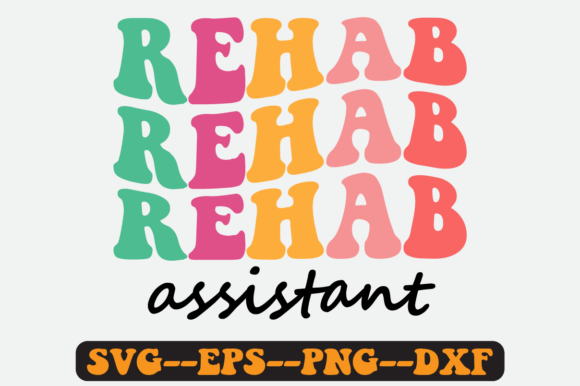
The moment you open the file, the retro aesthetic jumps out. It isn't trying to be modern minimalism or corporate sterile; it leans heavily into nostalgia. The layout feels balanced, with the typography commanding attention without feeling cluttered. For a designer eyeing this for a custom apparel line, the visual personality is immediately marketable. It speaks to a demographic that values craftsmanship and history, making it an ideal candidate for boutique branding or a small shop product aimed at healthcare professionals or their families.
The shape of the design is clean, which is a relief. In my experience, many "retro" files suffer from over-complicated borders that turn into mush when stitched. This design seems to rely on strong lines and clear spacing. However, the "Quote" aspect is crucial here. If the text is too intricate or the kerning (spacing between letters) is too tight, we risk losing legibility once the thread tension varies slightly. My initial gut feeling is that this design works best as a statement piece on a larger canvas, rather than a tiny detail on a pocket.
Real-World Scenario: The Sweatshirt Project
To truly evaluate Rehab Tech Quote Retro Svg Design, I simulated a project scenario. Imagine a client asking for a custom embroidered sweatshirt for a local rehabilitation center's annual appreciation event. They want something that feels professional yet warm, suitable for a gift that will be worn frequently. I selected a mid-weight cotton fleece sweatshirt and prepared to digitize the file for the hoop.
On the screen, the design looks sharp. But once I mapped out the stitch path, the reality set in. The retro style likely relies on bold fill stitches to create that vintage texture. On a thick sweatshirt, this works beautifully, creating a tactile feel that adds value to the finished product. The contrast between the thread colors and the fabric would pop, ensuring the message is readable from across the room. This is where the design shines: it transforms a generic garment into a personalized gift that tells a story.
However, if I were to use this for a baby onesie, the stakes change. The same bold lines might overwhelm a small chest area. For baby embroidery, the scale needs to be adjusted carefully. A design that fits perfectly on a hoodie can look cramped on a onesie if the digitizer doesn't resize the elements proportionally. The Rehab Tech Quote Retro Svg Design has the potential to work here, but only if the final output is scaled down significantly to avoid looking like a heavy patch on delicate infant skin.
Navigating Technical Challenges
Not every surface is a friend to embroidery. While this design is marketed as printable and versatile, its application in machine embroidery design requires strict adherence to technical limits. I have to be honest about where this design should be used with caution. If you are planning to stitch this onto a cap or hat, the curved surface presents a significant challenge. Retro fonts with sharp corners can distort easily on the crown of a cap, leading to puckering or misaligned lettering.
Similarly, textured fabrics like terry cloth or loose-weave linen can swallow up fine details. If the design includes any tiny decorative accents or thin running stitches, they may disappear into the weave of the fabric. Dark fabrics also pose a risk; unless you are using high-density underlay stitching, the design might not stand out against black or navy backgrounds. The thread colors become critical here. You cannot simply pick a random color; you must ensure the thread provides enough contrast to maintain the integrity of the retro vibe.
For small hoop sizes, the density of the stitches becomes a concern. If the design is pushed too far into a small area, the fabric can become stiff and unwearable. This is a common mistake in craft business operations where speed is prioritized over quality. A customer receiving a stiff, unyielding shirt is unlikely to become a repeat buyer. Therefore, confirming the hoop size compatibility before production is non-negotiable.
Impact on Brand and Customer Trust
In the world of Etsy sellers and creative entrepreneurs, the quality of the finish dictates the perceived value of the brand. A well-executed Rehab Tech Quote Retro Svg Design elevates a simple tote bag or kitchen towel into a premium item. The clarity of the stitches communicates professionalism. When a customer sees that the text is crisp and the edges are clean, they trust that the entire product was made with care.
Conversely, a poorly executed version of this design can damage your reputation. Puckered seams, skipped stitches, or illegible text suggest a lack of attention to detail. For commercial embroidery projects, consistency is key. If you are producing a batch of holiday gifts, every single item must look identical. This requires rigorous testing. I always advise creators to inspect small details and test the design in black and white mockups first to ensure the contrast holds up before cutting expensive fabric.
Practical Notes for the Designer
If you are ready to integrate this asset into your workflow, there are several steps you must take to ensure success. First, never skip the scrap fabric test. Run the embroidery file on a piece of the same material you intend to use for the final product. This allows you to check thread color contrast and review stitch density without risking your inventory.
You must also verify the stabilizer requirements. Heavy designs need heavy stabilizers to prevent shifting, while lighter designs might require tear-away or cut-away depending on the fabric stretch. Check whether the design works for both personal and commercial projects by reviewing the license terms provided by the creator. Many designers overlook this, only to face legal issues later when selling finished items.
Finally, consider the washability. If you are making products like aprons or tea towels that will see frequent washing, ensure the stitch density is sufficient to withstand friction. Dense stitch areas can sometimes trap lint or fray if not anchored properly. Always confirm licensing before selling finished items or digital products to protect your craft business.
Final Verdict
Rehab Tech Quote Retro Svg Design is a strong contender for anyone looking to add a touch of nostalgic charm to their embroidery project. It excels in scenarios where a bold, clear message is needed on durable fabrics like hoodies, sweatshirts, and tote bags. Its retro aesthetic resonates well with buyers looking for unique, personalized gifts or boutique branding materials.
However, it demands respect from the operator. It is not a "plug-and-play" solution for every surface. Success lies in understanding the limitations of the medium. By testing thoroughly, respecting the grain of the fabric, and paying close attention to thread choices, you can turn this digital asset into a tangible masterpiece. Whether you are an experienced embroiderer or a new maker entering the handmade product space, this design offers a solid foundation for creating memorable, high-quality goods.
Remember, the difference between a good product and a great one often comes down to these small, practical decisions. Use this design wisely, and it will serve as a powerful tool in your design assets collection.